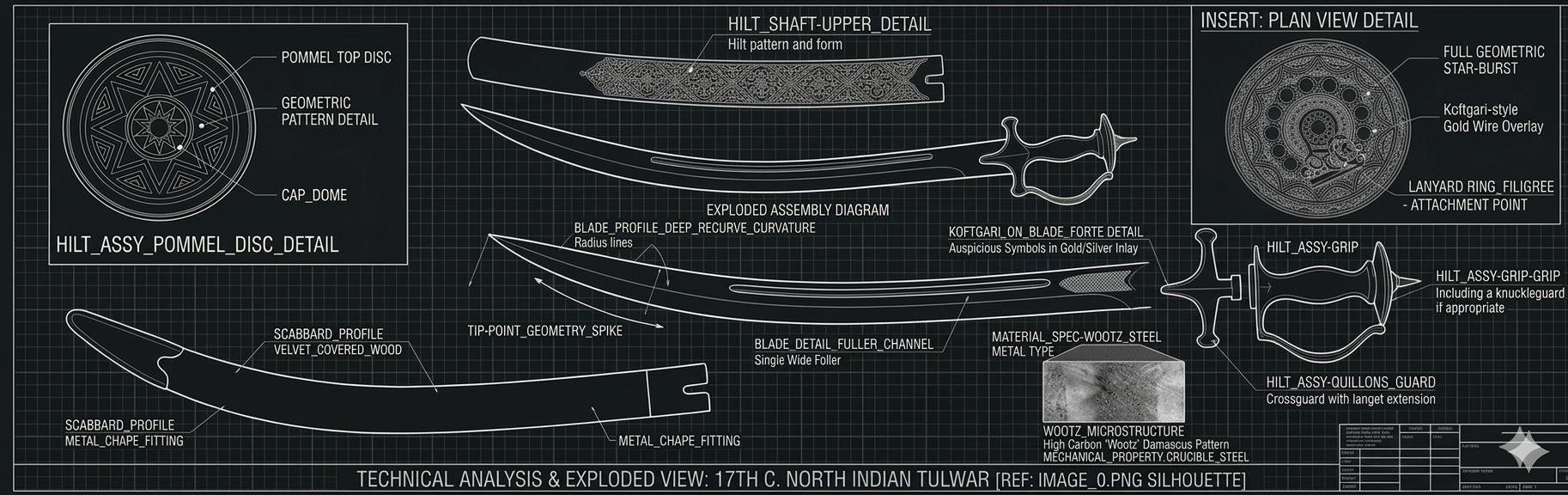
Collectorosophy- An Introduction: The Skills and Mindset To Develop As Collectors
Collectorosophy (noun; coined portmanteau): Referring to the philosophy, methodology and intellectual frameworks that underpin collecting as a discipline and a knowledge based pursuit rather than a purely acquisitive one, in which understanding is secondary to prestige and value. Such an ideal is revolutionary when discussing items that are of luxury status given their elitism and derivation of value from their scarcity and classist nature, stemming from colonial ideals. Much of which hides the truth but argues from authority and prestige provenance. It encompasses how collectors define scope, establish criteria for authenticity and quality, interpret historical and cultural context and derive meaning from objects within a collection. This framework’s ability at elevating pieces we see as merely “low-quality” or “budget”, to examples of study which allow the development and discernment required to understand a piece- showing their value as more than just monetary. This new approach within this given context has ideals similar to those found in related fields but here I bring together a synthesis of unified collector philosophy, anti-norm critiques, sharing of knowledge and the uplift of new collectors to come.
This concept is particularly disruptive when applied to objects of luxury status, whose perceived value is often derived from elitism, controlled scarcity, and class-based gatekeeping. In such environments, authority is frequently asserted through opaque expertise, non-peer reviewed and inflated/non-objective provenance claims, and inherited narratives that obscure rather than illuminate historical truth. Collectorosophy challenges this paradigm by prioritising understanding over prestige and meaning over merely and solely monetary value.
At its core, collectorosophy is something that almost all collectors inherently do and provides a reflection on their collecting styles. It also lowers skill gap to become fluent for beginners within the space examines how collectors define scope, establish criteria for authenticity and quality, interpret historical and cultural context, and derive meaning from objects within a collection. It elevates items often dismissed as “low-quality,” “entry-level,” or “budget” into legitimate subjects of study and recognising their capacity to develop discernment, comparative skill, and material literacy. In doing so, it demonstrates that an object’s value extends beyond price to include what it teaches.
This is the beginning of a series discussing how to develop the skills outlined in this article and how as collectors we can develop a mindset to aid our own journey and those who we interact with.
How does Collectorosophy work and how do we engage with it?
Intentional scope: Clear boundaries regarding period, region, typology, or cultural tradition- As collectors, we tend to be intrigued by shiny old things, it’s our one weakness. So how do we narrow down our interest so that it does not consume our intrigue and become an addiction (no, really, there are people who can’t manage their responsibilities with their hobbies and as with any addiction make poor choices, please remain aware.)? We set a scope, which can change and evolve over the years and take you into new areas/higher quality of collecting but provides a structure to the new information that is to be understood and built upon.
Scholarly engagement: Emphasis on provenance, comparative study, bringing an objective lens into conclusions and the flawed yet historic understandings of the current day.
Connoisseurship: Evaluation of craftsmanship, materials, wear patterns, and stylistic markers.
Cultural literacy: Understanding religious, political, and social influences embedded in the object.
Ethical stewardship: Responsible acquisition, preservation, and documentation for future study.
Community: Collecting if done right, yields large amounts of research and information that can be shared. this can develop into relationships to last a lifetime, given this shared fringe unique interest that collectors have. A shared passion is the easiest means to find like minded people that can become a network of advanced collectors, sources (for locating new pieces for collections) and shared ownership (pieces that may leave your collection don’t have to leave your network, providing access to them even after they aren’t under your stewardship).
Collectors and collections are fluid, they evolve as their interests do, and such should be seen as an expansion of interest than a hoarding of wealth and pieces. If an item within a collection has not been studied, understood and appreciated it has not allowed you to understand better and deepen your knowledge base. An unstudied piece is like an unsharpened sword- a purposeless item.
The Critical Eye:
A major theme of this series will be the development of critical analysis. This skill helps collectors recognise misattributed pieces, modern reproductions, and altered antiques.
Several areas where critical thinking becomes particularly important include:
Historical Sources
Many references rely on historic collections or earlier scholarship. While invaluable, historical interpretation often involves informed assumptions rather than definitive proof. Collectors should therefore engage with these sources thoughtfully, understanding both their insights and their limitations.
Dealers
Experienced dealers are often extremely knowledgeable and play an important role in the field. However, as in any specialised area, occasional mistakes or optimistic attributions can occur. Developing independent judgement allows collectors to evaluate claims more confidently.
Auction Houses
Auction houses frequently present fascinating material and can be valuable research resources. At the same time, descriptions may vary in precision, and collectors benefit from approaching them with the same critical analysis applied elsewhere.
Understanding the incentives and contexts surrounding market descriptions helps collectors interpret them more effectively.
The upcoming series will explore how collectors can:
develop stronger analytical skills
identify modern reproductions and altered pieces
build useful research libraries
apply scientific and material analysis where possible
structure collections that provide long-term learning, enjoyment, and stewardship
Ultimately, the goal is to cultivate collectors who approach their field with curiosity, discipline, and a genuine desire to understand the objects they study.